San Antonio gets hot fast, and that heat shows up in your electric bill. Window tinting is more than a cosmetic upgrade; it changes how buildings and cars manage solar energy, cuts cooling costs, and protects interiors. I have installed and advised on residential and automotive tint projects for over a decade in south Texas, and the patterns are consistent: the right film pays back in comfort and savings, while window tinting san antonio the wrong choice can leave you disappointed. This article explains how window tinting in San Antonio reduces window tinting san antonio energy use and long-term expenses, what to expect from different kinds of film, and how to decide whether tinting makes sense for your home, office, or car.
Why tinting matters in San Antonio climate Sun intensity, humidity, and the length of the cooling season make heat management a practical issue here. Air conditioning can represent 40 percent or more of a typical San Antonio home's energy consumption during the summer months. Windows are a weak point: they admit heat by direct sunlight, through infrared wavelengths, and by conduction when window frames and glass get hot. Tinting changes that balance. A well-chosen film blocks a significant portion of solar heat gain, lowers interior surface temperatures, and reduces the workload on HVAC equipment. That produces measurable savings, and also reduces wear on components such as compressors and ductwork.
How window tint reduces energy use Window film tackles three separate pathways for heat transfer. First, reflective and metallic films send a portion of the sun's radiation back outside before it becomes heat. Second, dyed and ceramic films absorb and dissipate some solar energy, preventing it from reaching interior spaces. Third, low-emissivity films help retain conditioned air by reducing infrared heat exchange at night or during cool mornings. In practice, the most effective films combine visible light transmission with high solar heat rejection, preserving daylight while blocking heat. For homes with large west- or south-facing glass areas, reducing solar heat gain by 30 to 60 percent can cut cooling energy consumption noticeably. In my experience with multiple retrofit projects around the city, typical HVAC load reductions range from 10 to 25 percent when strategic glass surfaces are tinted and blinds or shades are also used.
Types of window film and what they do Not all films behave the same. Here are the main types you will encounter and how they affect energy performance and comfort.

- Dyed film: absorbs visible and infrared light, cheaper initially, moderate heat rejection, can fade over time. Good if budget is tight and glare reduction is the primary goal. Metalized film: contains metallic particles, reflects heat effectively, durable, may interfere with radio signals if heavily metalized. Often used where heat rejection is the priority. Ceramic film: nonconductive particles block infrared and UV without heavy tinting, high performance, stable color, higher cost. Excellent for preserving exterior appearance while improving comfort. Low-emissivity (low-e) film: specifically targets infrared heat transfer, can improve insulation value, useful for both residential and commercial windows to reduce nighttime heat loss or gain.
Manufacturers publish metrics such as solar heat gain coefficient (SHGC), visible light transmission (VLT), and UV rejection. A film that lowers SHGC by 0.15 or 0.20 versus untreated glass can produce meaningful reduction in cooling energy in a hot climate. Look for independent test results when comparing products.
Real savings: numbers and examples When discussing savings, context matters. A single-pane window that lets in a lot of solar heat will show a larger percentage reduction than a modern double-pane, low-e window. Here are a few grounded examples based on project data and field experience.
- A 2,000 square foot house with 15 percent of wall area in single-pane clear glass, tinted with a film that reduces solar heat gain by 50 percent, produced roughly a 12 percent drop in monthly summer electricity use for one homeowner I worked with. The payback was about four years when factoring installation cost and local electricity rates. For an office suite with large west-facing glass, replacing or tinting the storefront with a high-performance ceramic film cut peak cooling demand significantly. The building's demand charges dropped on hot afternoons, producing immediate cost reductions for the owner, beyond simple kilowatt-hour savings. On cars, modern ceramic auto window tinting keeps cabin temperatures 10 to 20 degrees Fahrenheit cooler after sitting in direct sun. That reduces the need to run the A/C at full blast upon startup, improving fuel economy or battery range in EVs. Over time, owners report less strain on HVAC components and longer life for interior plastics and upholstery.
These numbers are representative. Exact savings depend on glass area, orientation, insulation, HVAC system efficiency, and how occupants use the space. Use conservative estimates when planning a project, and consider a staged approach that targets the highest-payback windows first.
Beyond energy: other economic advantages Energy savings are the headline, but tinting carries secondary financial benefits. UV rejection extends the life of furniture, rugs, artwork, and vinyl wrap on vehicles by blocking a large portion of ultraviolet radiation that fades materials. Interior temperatures that are more consistent reduce the cycling of HVAC equipment, which lowers mechanical wear and may delay costly repairs or premature replacement. For commercial buildings, occupant comfort translates into productivity gains and lower complaints during heat waves, which indirectly supports revenue and reduces turnover.
For auto owners, a practical example: a car with severe dashboard cracking and faded leather will require restoration or replacement of interior pieces, which can cost hundreds to thousands of dollars. A modest investment in quality car window tinting often prevents that damage, paying back over the life of the vehicle.
Choosing windows to tint first Not every window delivers the same return. Prioritization matters, particularly for larger homes or commercial properties where budget limits full coverage. Start with glass that meets these informal criteria: direct afternoon sun, large surface area, and rooms with high cooling setpoints like living rooms or offices. West-facing glass usually produces the greatest peak cooling load because the sun's angle in the late afternoon maximizes solar heat gain when the outdoor temperature is also high. East-facing glass heats mornings and can matter for bedrooms. Skylights and clerestory windows are another group to address early, since they can radiate significant heat downward.
If you plan to install blinds or shades, factor that into the decision. Film plus shading gives compounding benefits. For example, heavy drapes combined with a 50 percent solar heat rejection film will reduce cooling loads more than either measure alone. I often recommend a combined approach: tint the most exposed glass, add shading where practical, and use programmable blinds to control daylight and heat during peak hours.
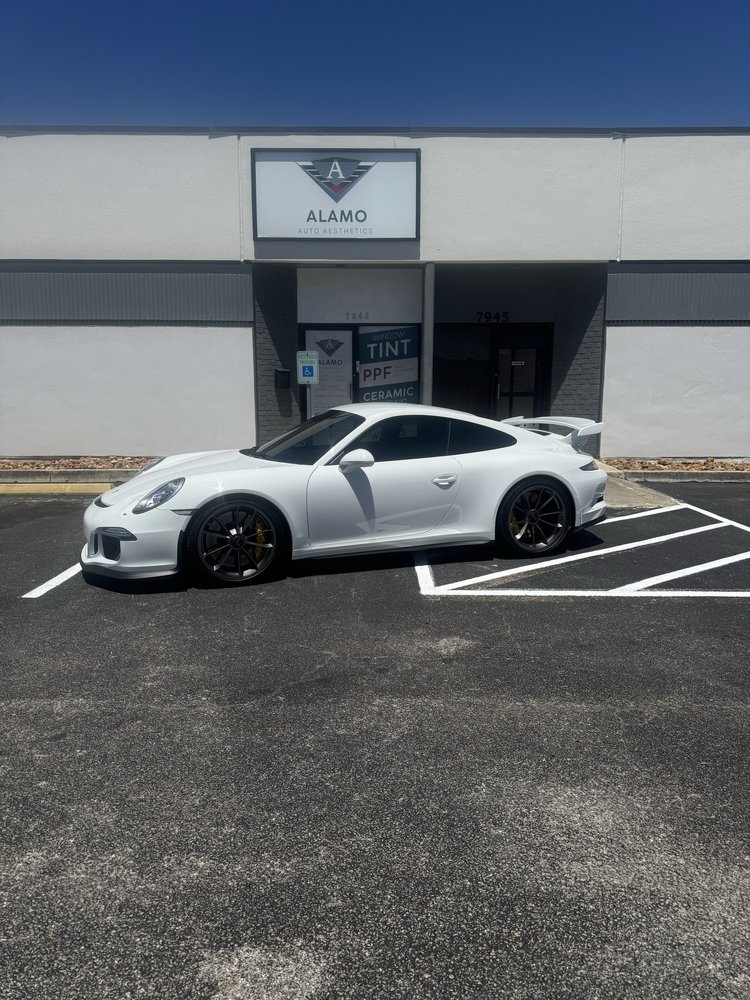
Installation quality and trade-offs A good film performs to spec only when installed correctly. Creases, bubbles, and poor edge adhesion can leave gaps that reduce effectiveness and turn a warranty into a hassle. Installation quality also affects aesthetics, and that matters for homeowners and businesses that want a clean, professional look.
Trade-offs you should consider include visible light loss versus heat rejection, privacy versus daylight, and signal interference for heavily metalized films. Ceramic films often avoid signal problems and maintain clearer views, but they cost more. Dark films increase privacy and glare control, but they reduce natural light. In homes where daylighting is a priority, choose films with higher VLT and strong infrared rejection.
Maintenance is minimal, but pay attention to manufacturer guidelines during the initial weeks after installation. Some films require a 30-day period before cleaning to allow adhesives to fully cure. Use non-abrasive cleaners and a soft cloth. For cars, avoid sharp objects near the glass edges and be cautious with automatic car washes that use stiff brushes.
Regulations, HOA rules, and tint percentages Local rules can limit tint darkness or reflectivity for vehicles and buildings. For car owners, state laws specify allowable VLT percentages on different windows. San Antonio is in Texas, where window tinting regulations are specific about which windows can be tinted and to what degree. Check current Texas statutes or a local installer for the exact legal limits, because they change occasionally. Homeowners associations may place aesthetic restrictions on exterior appearance, including reflective films that are highly visible from the street. For commercial properties, local building codes sometimes have requirements for glass treatments when they impact emergency egress visibility or safety glazing. Confirm rules before you buy.
How to evaluate installers and get the best value Selecting the right installer matters more than chasing the cheapest sticker price. A poor installation negates product performance and wastes money. Talk with at least three reputable installers, and ask for these things.
Proof of a physical local shop and years in business, not just a mobile-only operation Examples of past work, ideally with photos of similar windows or vehicles Independent product test results or manufacturer literature showing SHGC, VLT, and UV rejectionA concise checklist can help you compare quotes and warranties. Ask about removal policies, what the warranty actually covers, and how long it lasts. Warranties vary dramatically; some cover bubbling and discoloration for up to 10 years, others limit coverage to manufacturing defects. Get warranties in writing.
Common pitfalls and how to avoid them The biggest mistakes I see are rushing into a decision based on price, choosing a product because it looks good in the showroom but underperforms thermally, and failing to consider whole-building effects. For example, tinting only one window in a tightly sealed attic space won't meaningfully reduce cooling loads if other heat transmission paths remain. Similarly, installing very dark tint in a living room to block heat can create a gloomy interior that encourages lights-on behavior, offsetting some energy savings. Balance and a systems approach work best.
Another pitfall: assuming all films block UV equally. Some inexpensive products advertise UV protection but lack independent verification. UV meters and third-party lab tests are helpful. If preserving interior textiles or art is a priority, prioritize films with at least 99 percent UV rejection backed by certified testing.
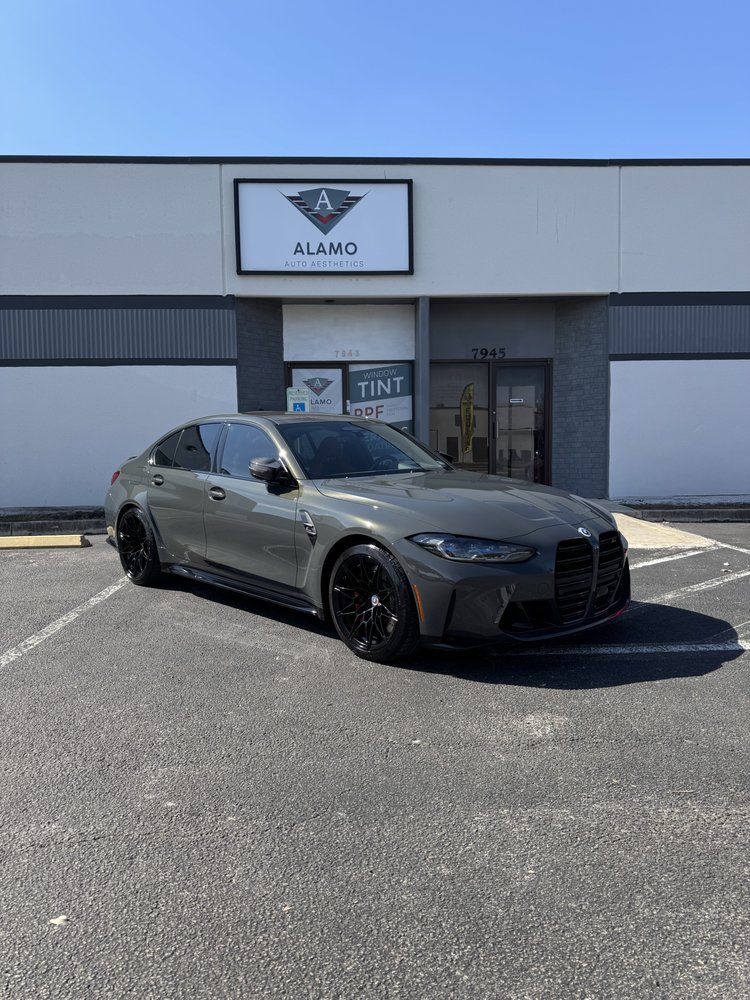
Financial calculations and payback expectations Real payback periods depend on installation cost, electricity rates, and how much glass you tint. A rough rule of thumb for many residential upgrades in San Antonio is a 3 to 7 year payback if you choose mid- to high-performance film and focus on high-exposure glass. That assumes summer use is significant and electricity rates are moderate. For commercial installations with demand charges, the payback can be quicker because reduced peak demand yields direct savings on monthly billing components.
If you prefer a more precise estimate, measure your glass area, note orientation, assess existing glazing type, and request manufacturer SHGC numbers for the film. Energy modeling software can produce reliable estimates for larger projects. Some installers offer simple ROI worksheets that apply local degree days and utility rates to your situation. Use those tools as a sanity check, not a guarantee.
When tinting may not be worth it There are scenarios where tinting provides limited benefit. If your windows are already high-performance double-pane low-e glass, incremental gains from added film are smaller. If the primary problem is conductive heat loss through walls or poor attic insulation, you will get a better return by sealing and insulating first. For cars that are garaged or not regularly parked in direct sun, the comfort and fuel savings are less pronounced, and tinting becomes mostly cosmetic or about privacy.
Final practical steps Start with a quick inventory: note which windows get hot in the afternoon, which rooms are consistently uncomfortable, and which interior finishes show sun fading. Talk to reputable san antonio window tinting shops, ask for measured product specs and references, and prioritize windows by orientation and area. Consider ceramic films where you need clear views and high performance, and metalized films where budget constraints are tighter but reflection is acceptable. For cars, choose installers familiar with auto window tinting regulations and with experience avoiding radio interference issues.
Window tinting is a practical retrofit that reduces cooling energy, preserves interiors, and improves comfort when selected and installed carefully. In San Antonio, where heat is a persistent factor, tinting often pays for itself in years rather than decades, and the immediate comfort benefits make daily life more pleasant. If you search for window tint near me, use the questions and priorities outlined here to separate vendors who sell visual appeal from those who deliver measurable energy performance.
Alamo Auto Aesthetics PPF, Tints, Wraps 7943 Mainland Dr, San Antonio, TX 78250, United States +1 210-361-3765 https://alamoautoaesthetics.com/ Instagram: https://www.instagram.com/alamoautoaesthetics Facebook: https://www.facebook.com/profile.php?id=61576817309936 YouTube: https://www.youtube.com/@Alamoautoaesthetics Tiktok: https://www.tiktok.com/@alamoautoaesthetics
Alamo Auto Aesthetics PPF, Tints, Wraps 7943 Mainland Dr, San Antonio, TX 78250, United States +1 210-361-3765 Website: https://alamoautoaesthetics.com/